Shangdao "Bill" Ke
at the intersection of ethical AI and boundless creativity

I am a graduating senior at Phillips Academy Andover. Growing up with an intense passion about logic and problem solving, I have served as President of Andover Math Club, attended MIT PRIMES high school research program, and interned at MIT CSAIL.
Throughout theses experience, my interests have gradually centered on AI's frontier with societal issues. Would AI revolutionize work and science, freeing up creativity and equalizing society? Or would AI drown us in unemployment, broke down cybersecurity, and eventually usurp humanities? These are the questions that I am dissecting and investigating through projects.
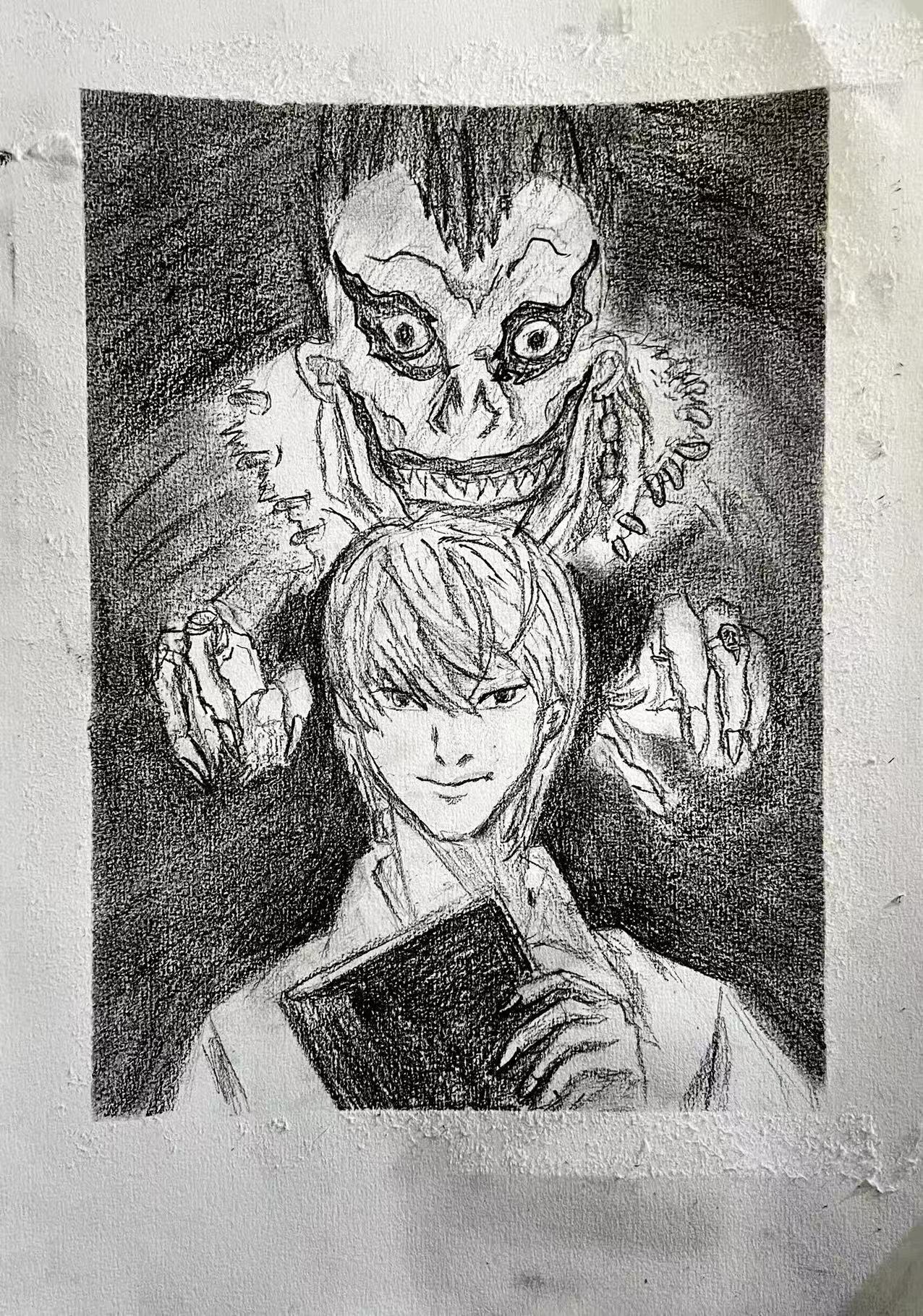
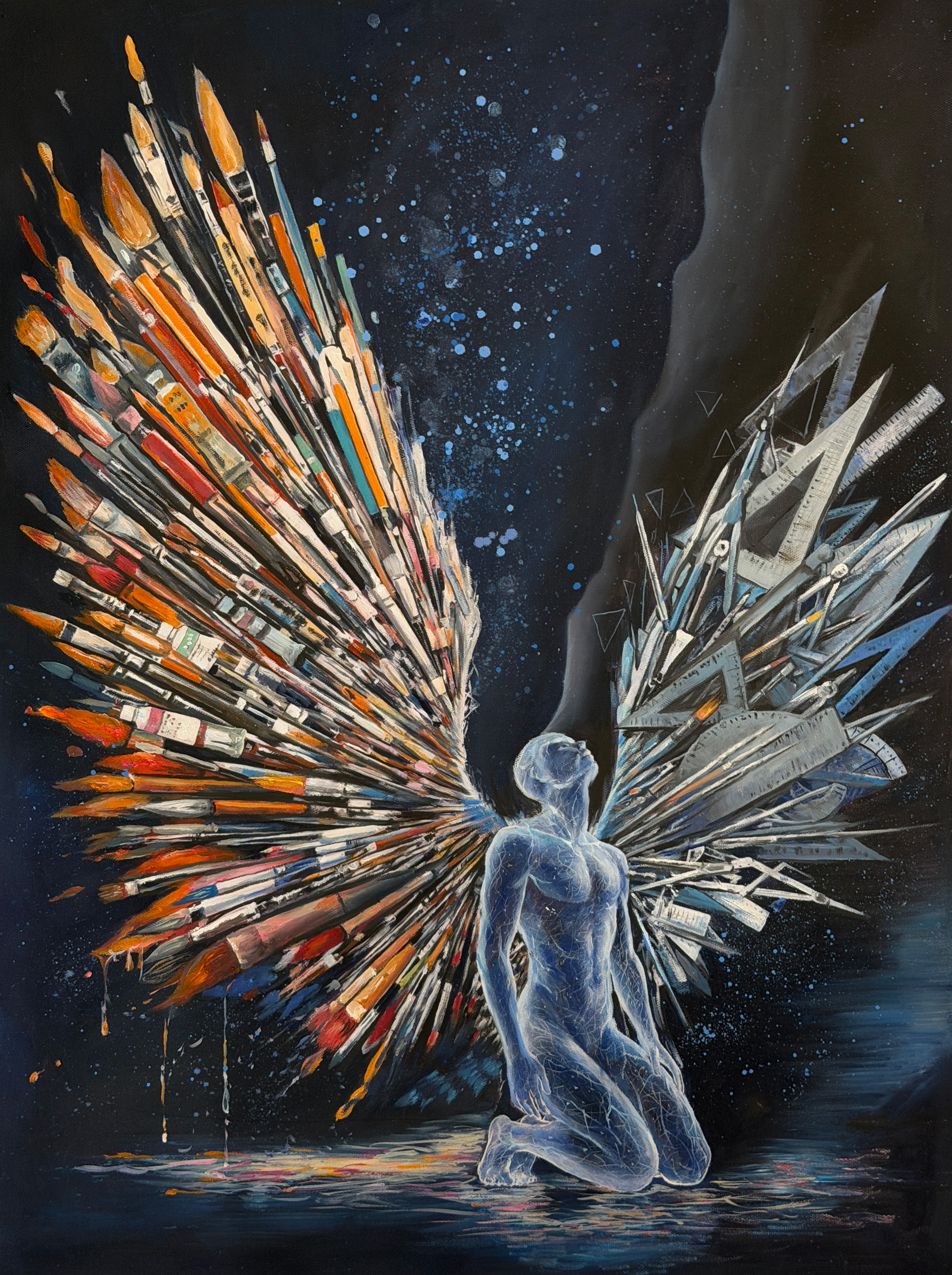
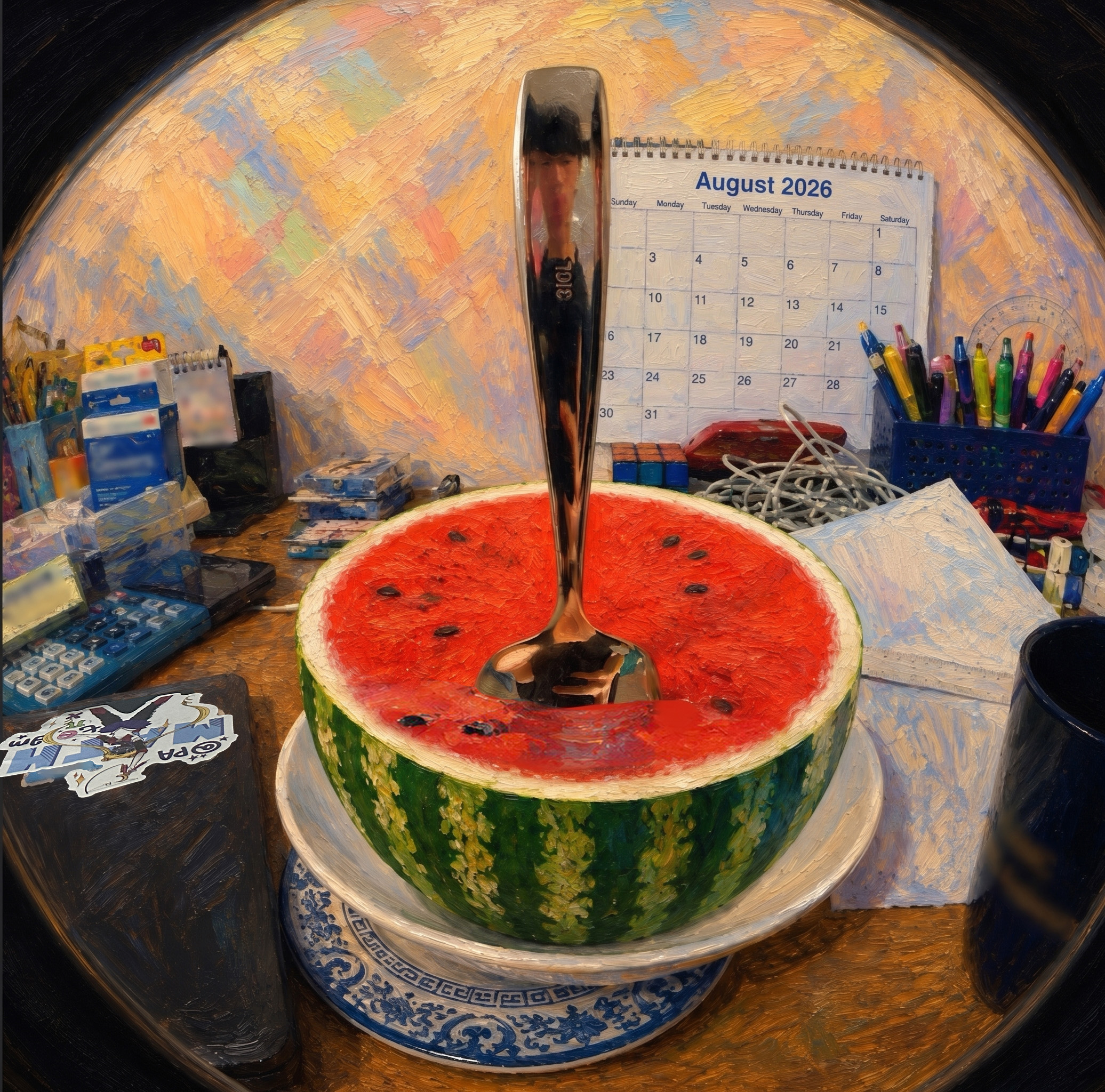
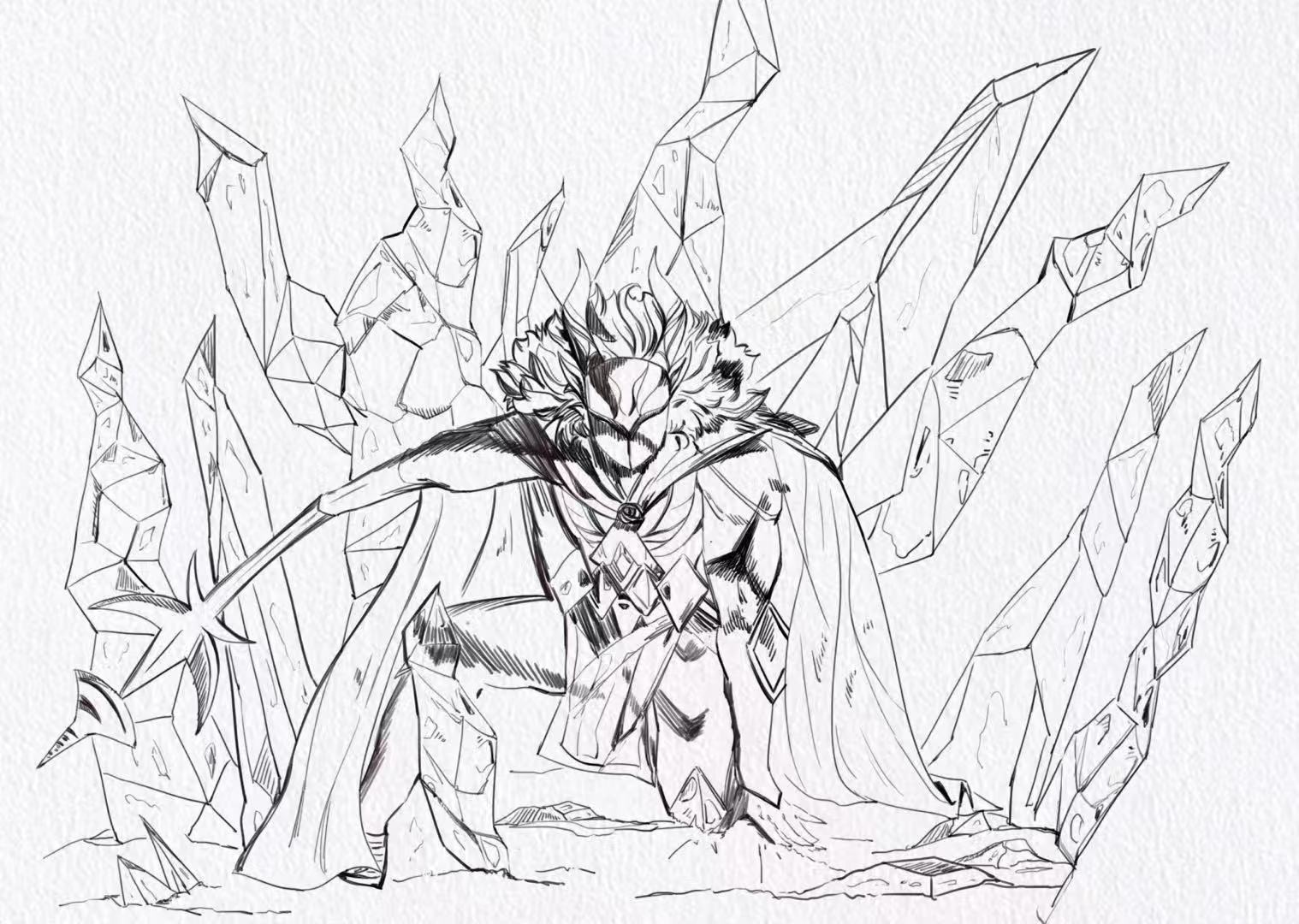
At the same time, I am fascinated with abstract art and creative design, which I seek to synergize with my work in AI.
Core interests


AI to Democratize Technology
Math Foundation of AI
Art as the Connector
Barriers, in the form of knowledge gap, software license, and so on, impedes both scientific development and technological equality. I am harnessing AI as the equalizer to empower everyone to access tools and knowledge for self-improvement and the greater good.
From gradient descent to convolution, mathematics has always been central to the development of AI. I am investigating topics in pure mathematics not obviously related to AI, manifolds in specific, and seek their potential in model acceleration.
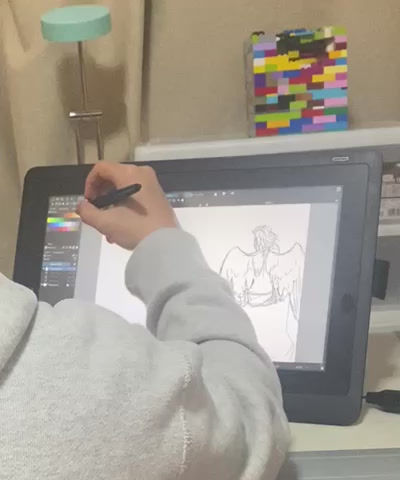
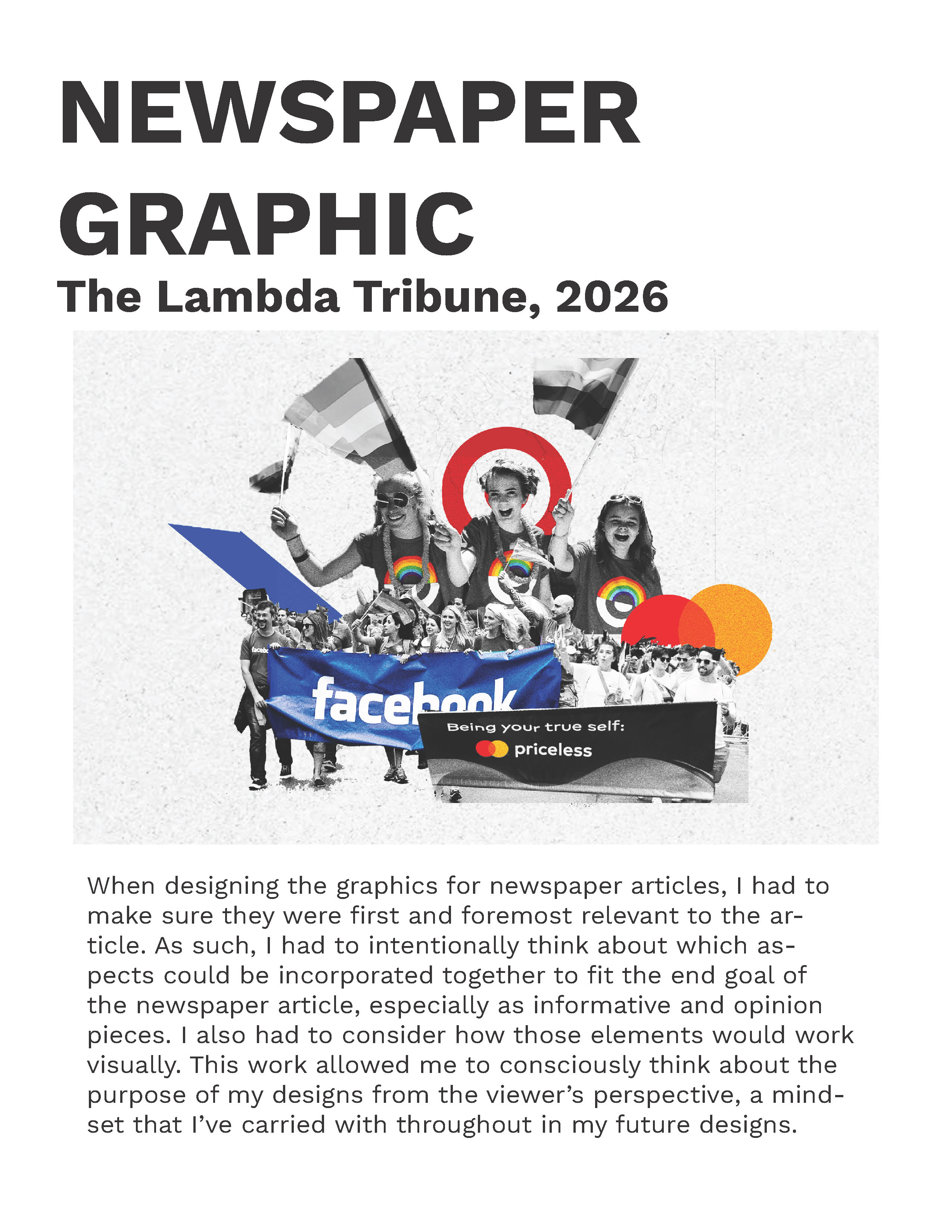
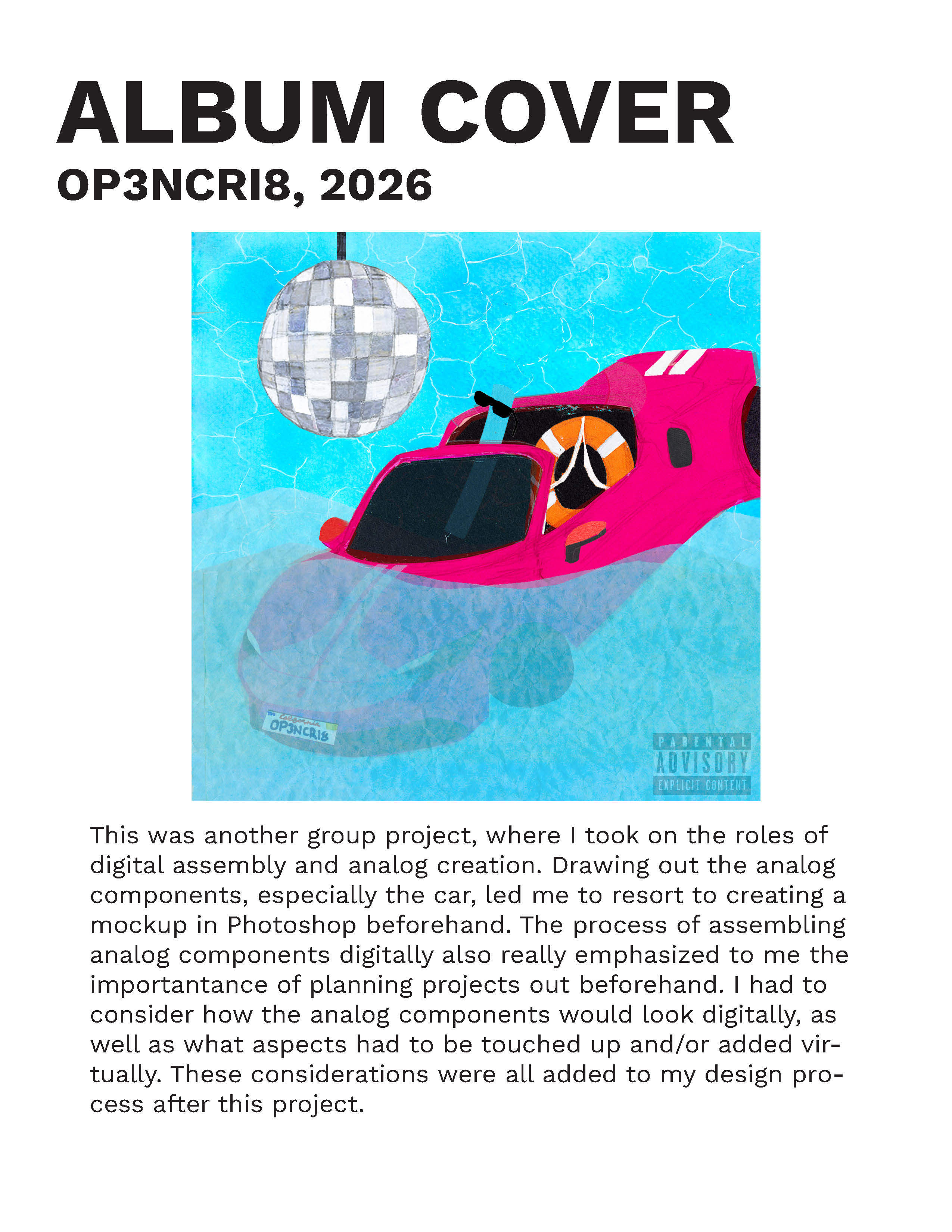
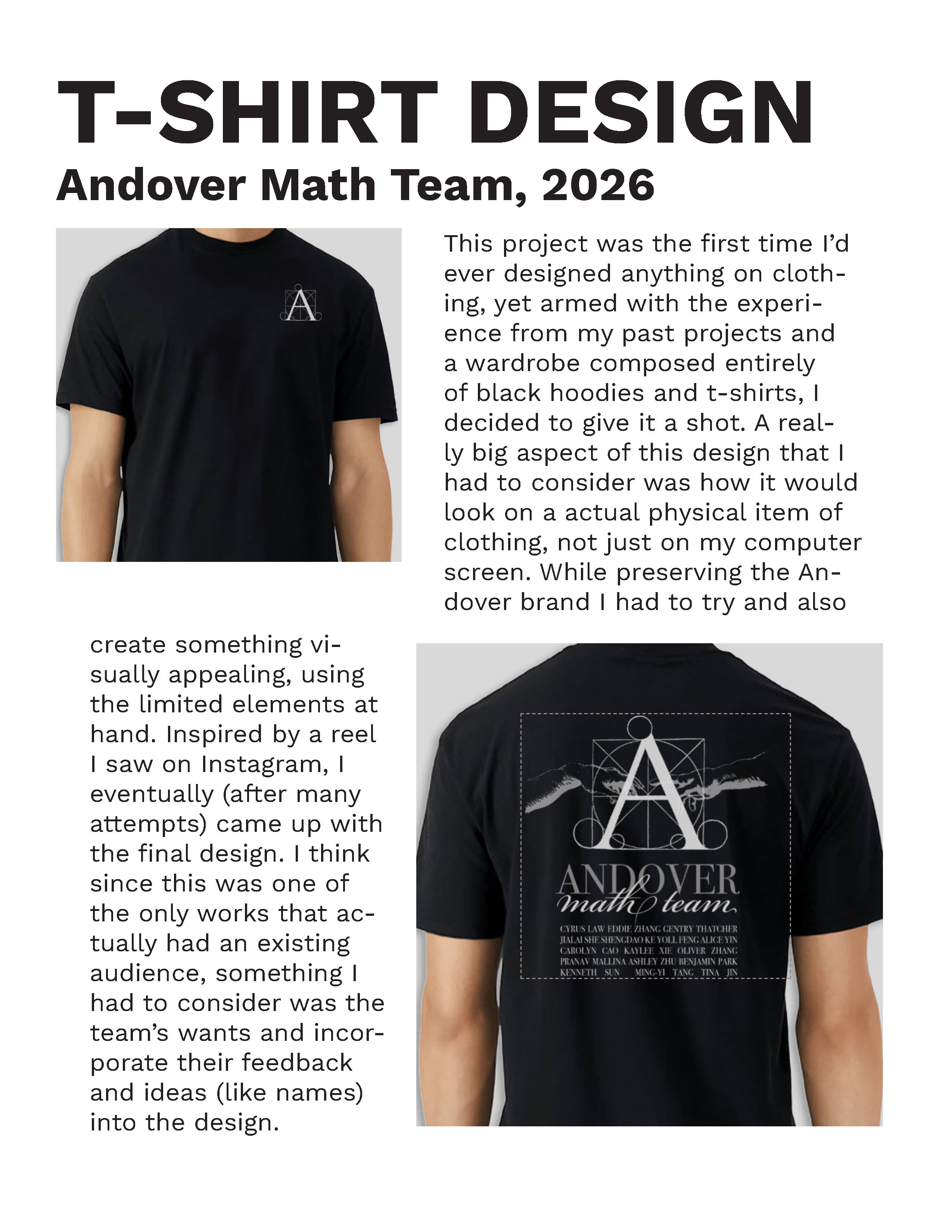
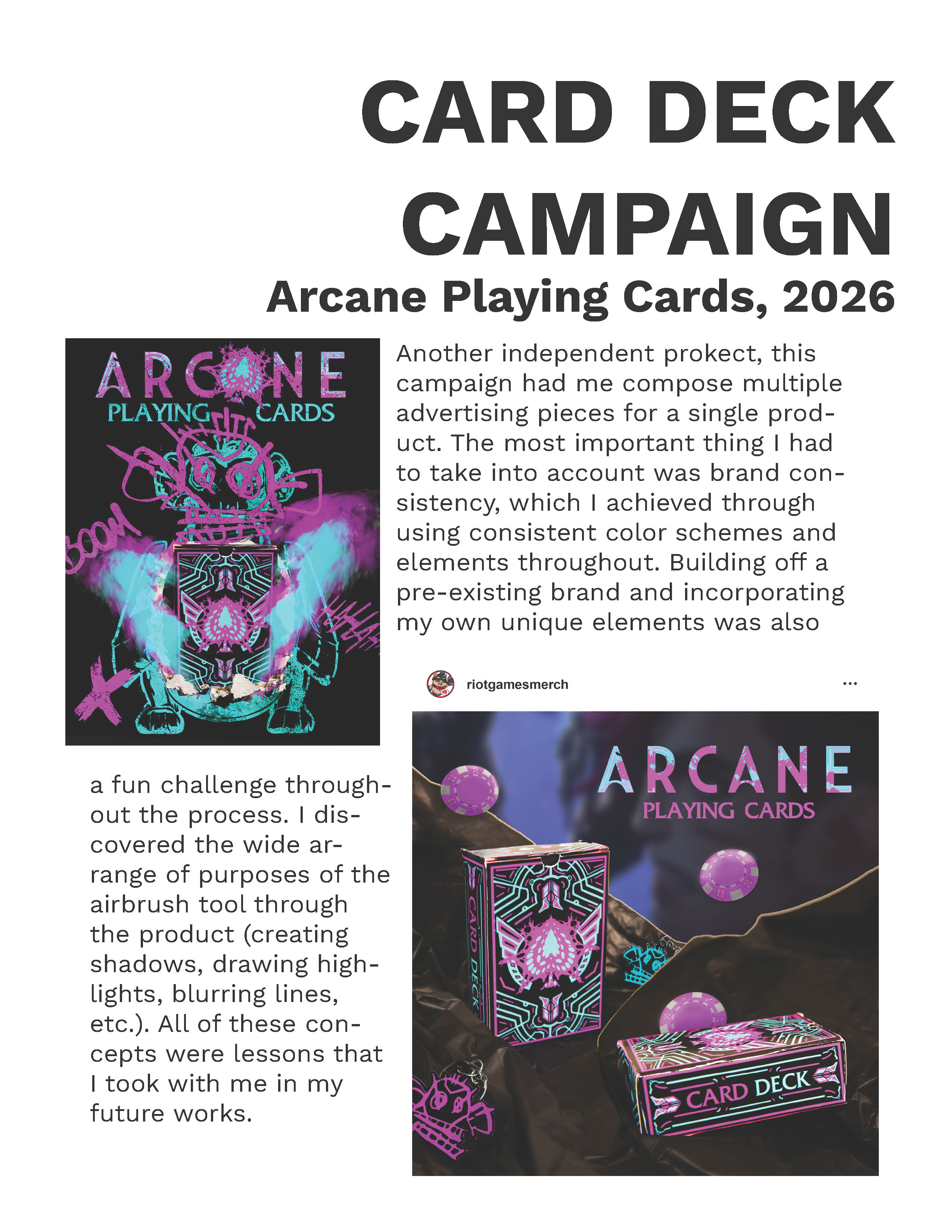
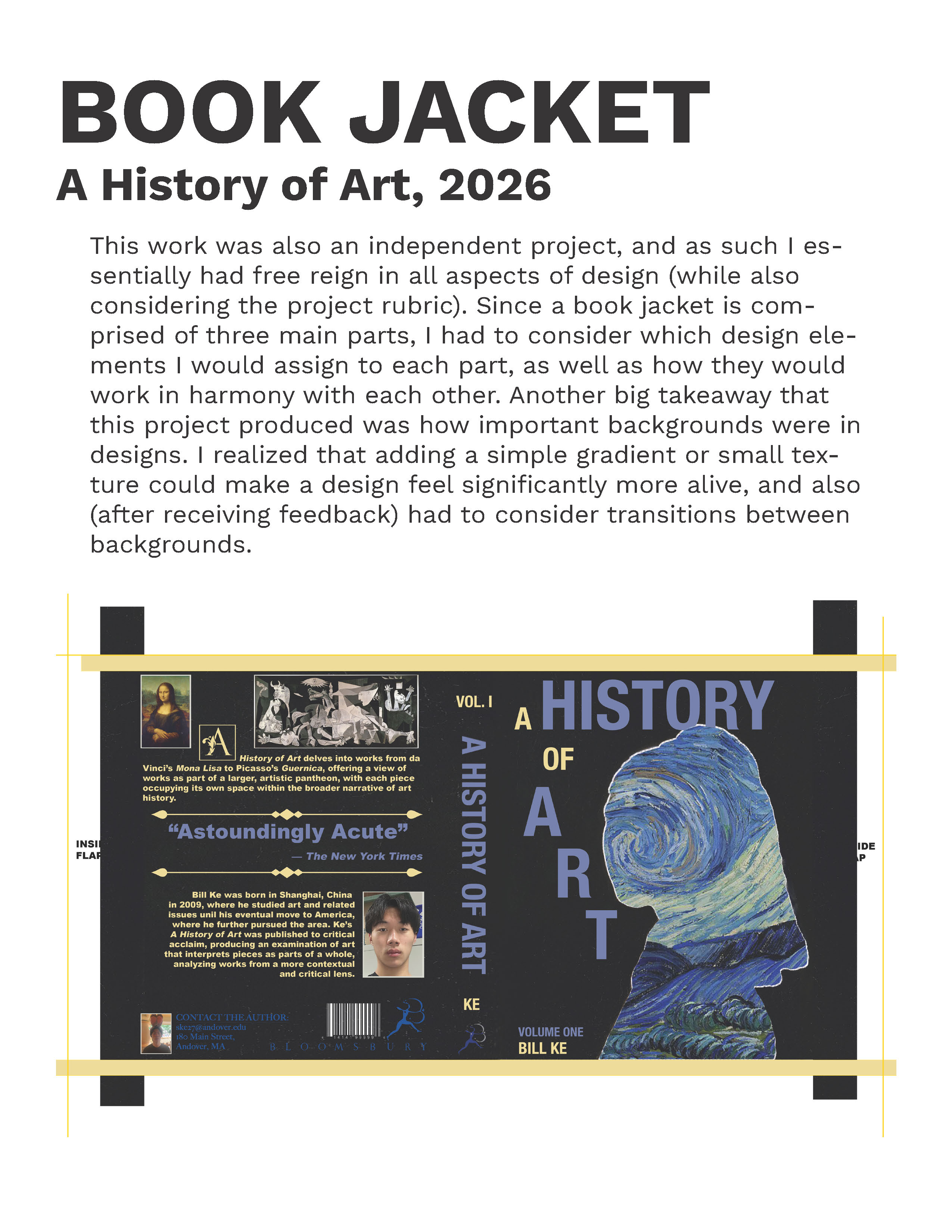
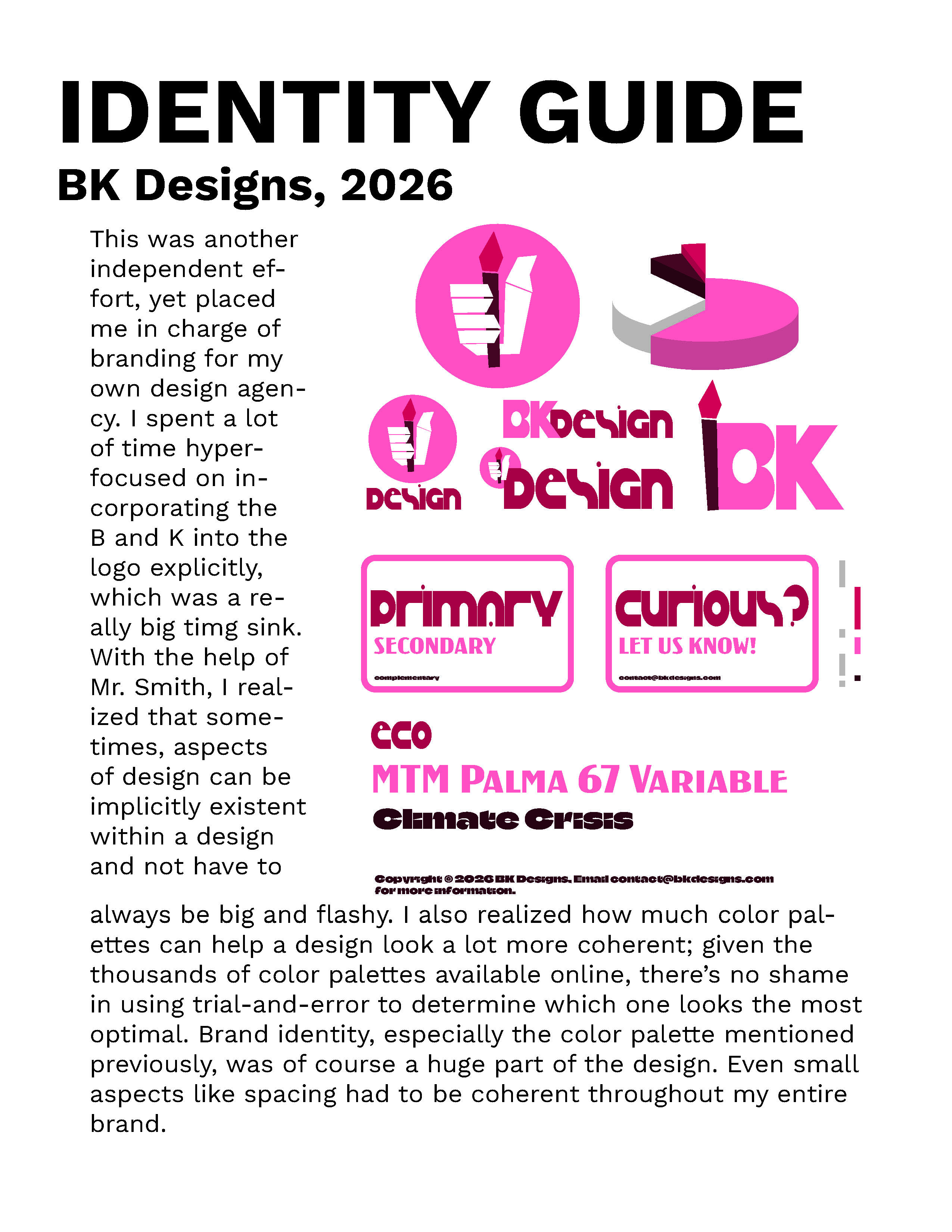
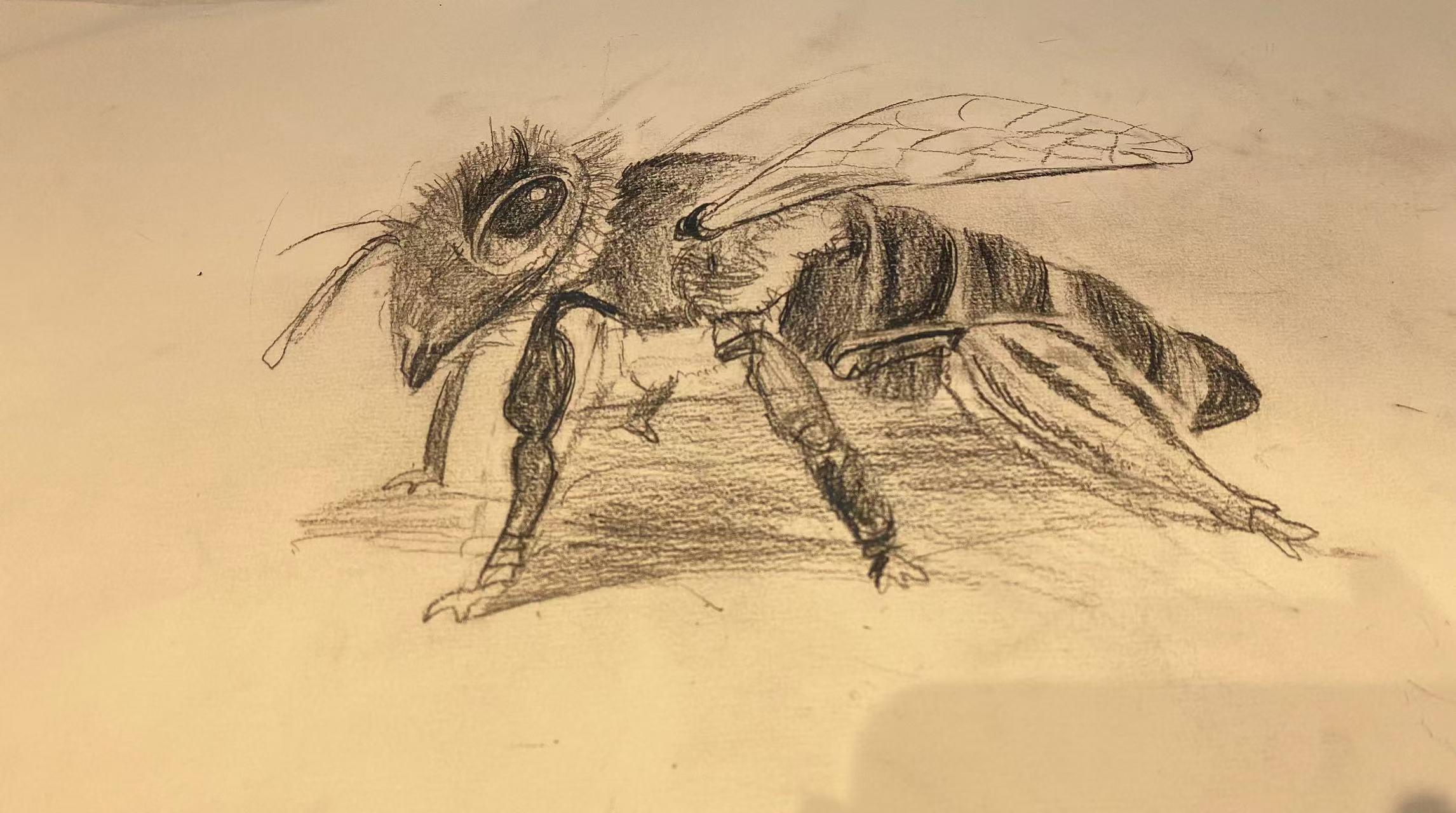
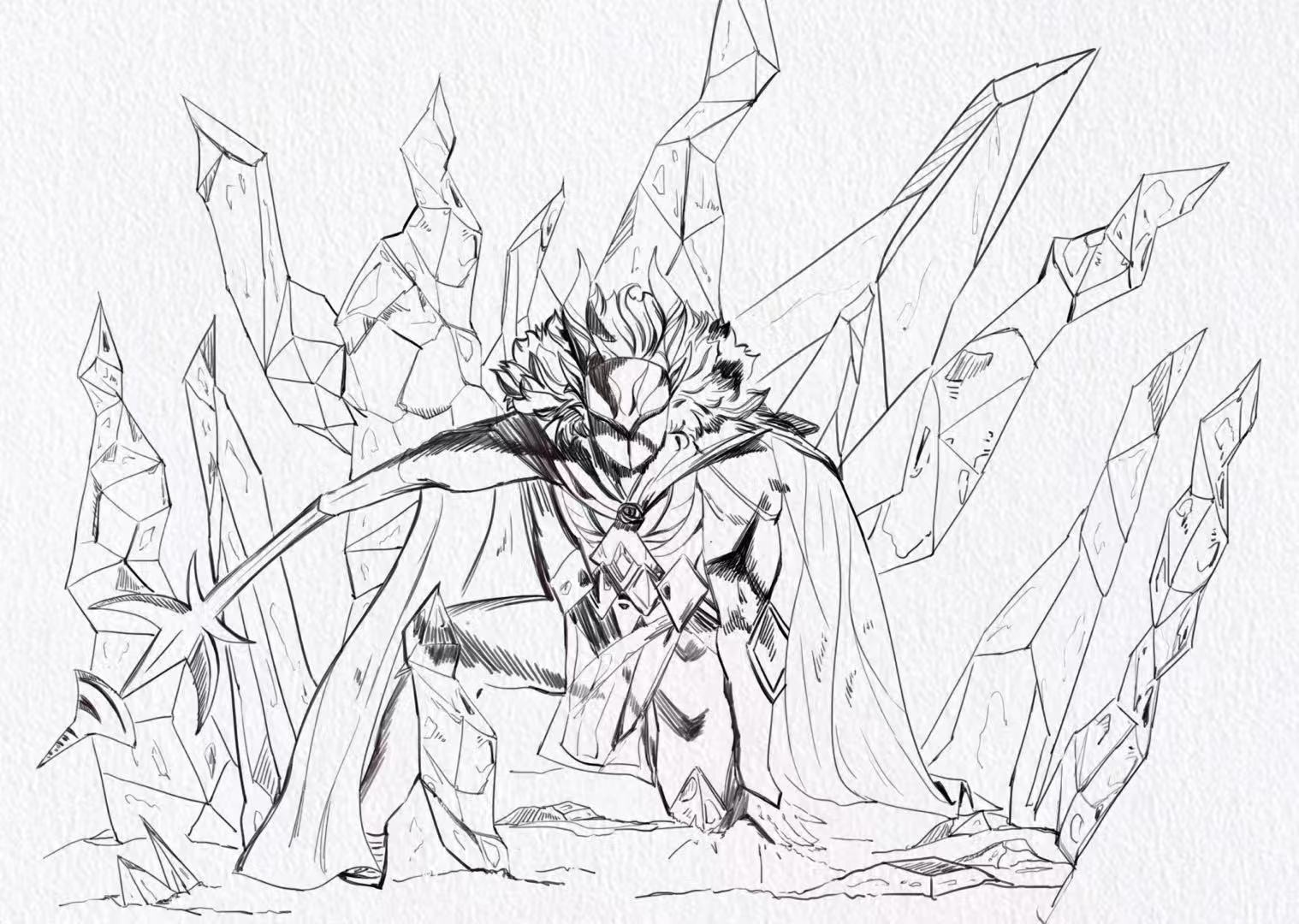
Starting with painting as a hobby and creative video design as my favorite course, I now see art in the bigger picture as the connector between distinct sides. I am combining design thinking and visual art to make aesthetic, educational, and philosophical connections.
Academic projects
Internship at MIT CSAIL · June 2026 to present
Leveraging LLM to create open-sourced software

I co-developed a free, open-source, accessible, full-featured alternative to the high-cost Adobe Photoshop. I designed the overall framework of software system architecture and AI-assisted coding; created and finetuned a multi-hundred-page structured prompt that leveraged Claude in code generation. Furthermore, I applied multiple tactics to tackle project complexity and LLM context window limits: modularized repository design; optimized state management; adopted AI-driven feature integration.

MIT PRIMES research program · Jan 2026 to present
Effective Transcription with Low-Affinity Binding Sites
I formulated statistical mechanical models using Gibbs distributions to demonstrate how clusters of independent, low-affinity binding sites generate sharp, switch-like transcriptional responses. I generated 100 random configurations of DNA promoter to simulate crowding (an excessive concentration critical to gene regulation) of transcription factors, thereby enabling the incorporation of footprint overlap energies and effective site counts in the empirical explanation of occupancy limits. Furthermore, I constructed and compared steady-state dynamics in equilibrium vs. non-equilibrium to quantify how non-cognate molecular competition and cellular energy expenditure, respectively, influence the specificity of gene regulation.
Hyperlink to research paper | Hyperlink to presentation slides
MIT PRIMES reading group · Jan to October 2025
Fields in Combinatorial Optimization
We surveyed combinatorial optimization, centering on linear programming (LP) and matroid theory. In canonical LPs, we established duality theory, covering weak duality, strong duality, and complementary slackness conditions to derive optimal bounds. Practical applications include the optimal transport problem alongside algorithmic comparisons of Simplex, Interior Point, and Ellipsoid methods. Next, we defined matroids via hereditary and exchange axioms, highlighting vector spaces, graphic matroids, and rank functions. It concludes by proving that greedy algorithms guarantee optimal maximum-weight independent sets if and only if the system is a matroid, illustrated by spanning trees and job scheduling.


Independent research · Jan 2025 to Sep 2025
The Ricci Flow on Trees: Convergence & Curvature
I proved long-time existence and convergence of Ollivier-type Ricci flow on weighted trees to a unique Einstein metric, establishing uniform curvature bounds and spectral properties. I developed a curvature-aware “Evolution Matrix” derived from continuous Ricci flow to encode local edge-coupling dynamics and structural branching geometry. Furthermore, I advanced graph classification performance over traditional Adjacency and Laplacian matrices (achieving an ARI of 0.81 vs. 0.34), strengthening a critical class of algorithms widely applied in social network analysis, NLP dependency trees, and molecular structure analysis.
CSC600 (G10) course project · Sep 2024 to June 2025
Genetic Algorithms and Undertale
I explored how evolutionary computing can navigate Undertale’s signature bullet-hell combat. I applied core genetic algorithm principles—population generation, selection, crossover, and mutation—to teach an AI agent how to survive projectile waves. By evaluating fitness through survival duration and damage minimization, successive generations learn optimal evasion paths inside the battle box without pre-scripted movement logic.

Creative projects
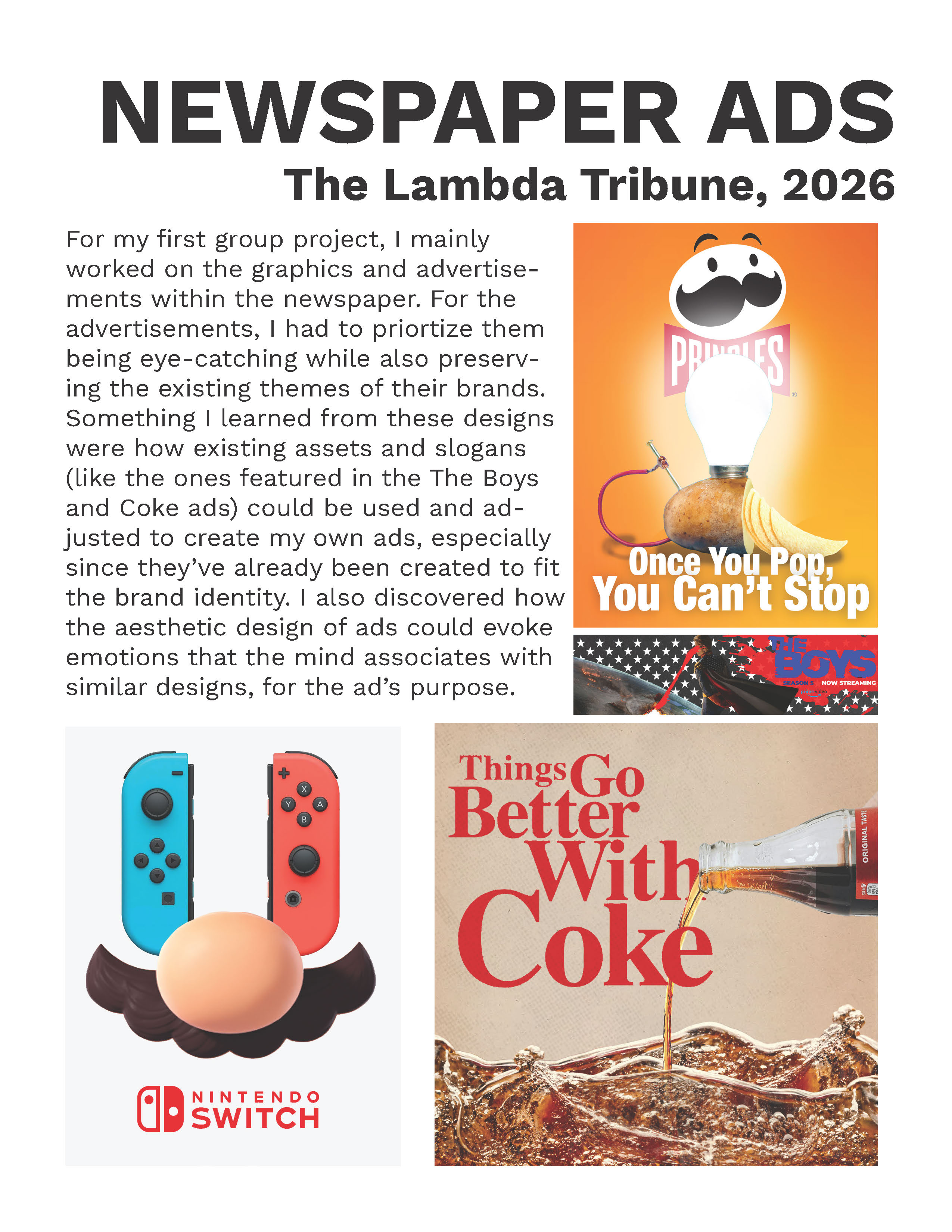
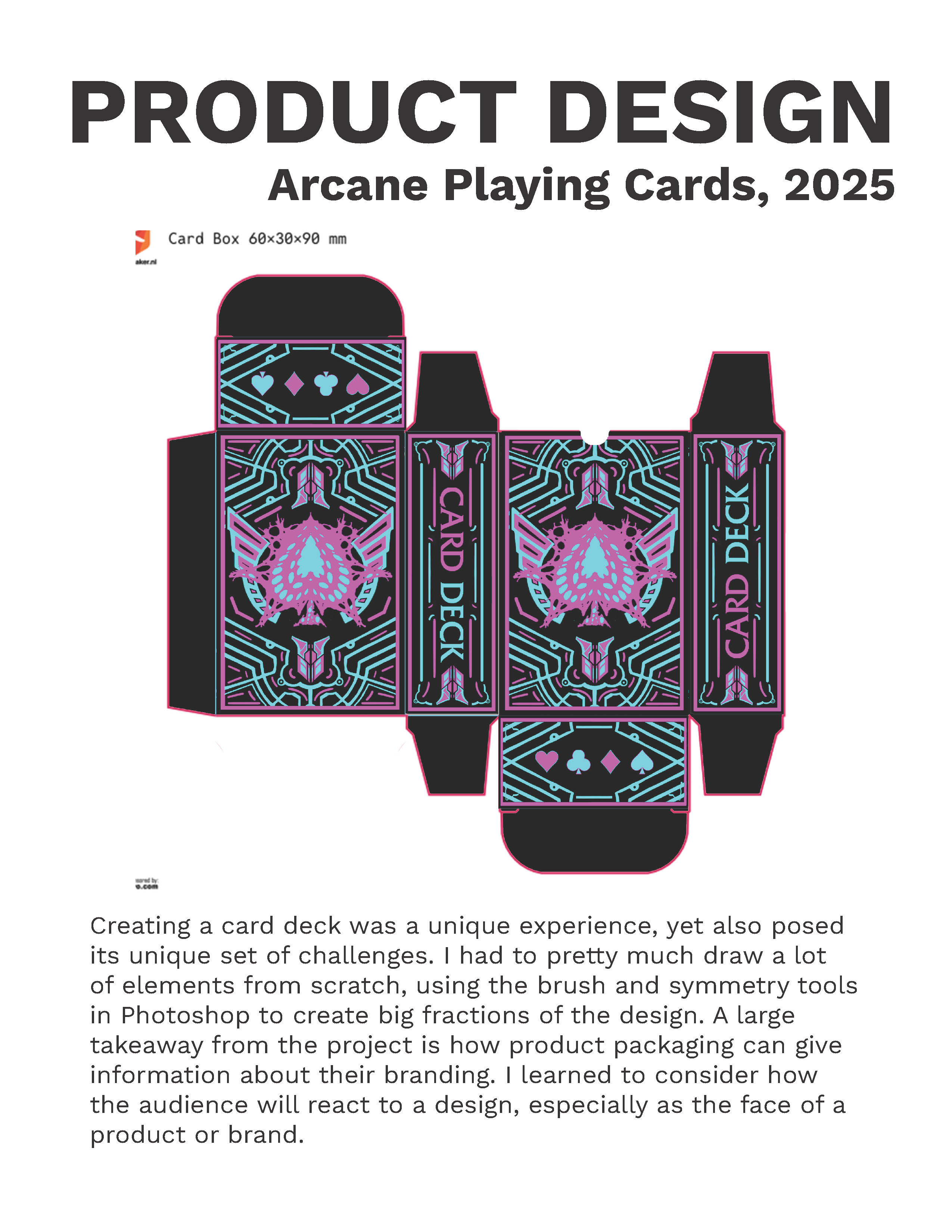
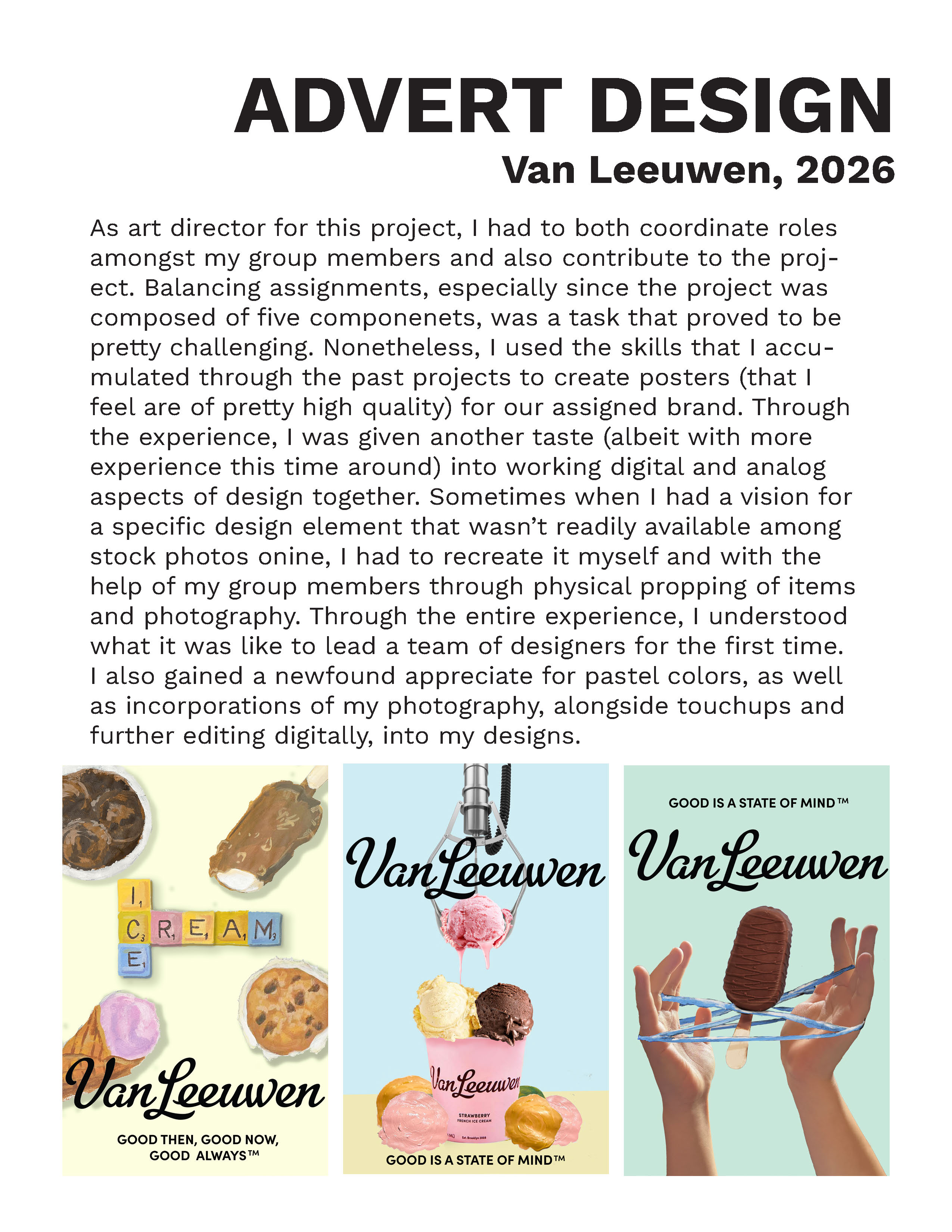
Course project: portoflio


Course project: video

Creative process